
Tile Talk
aka every type of tile and where to put it

Tile will truly make or break a space and in a world of too many options, I’m here to help. These are the different types of tiles, where to use them (or not) and some tips, & tricks, and my favorite tile stores at the bottom for paid subscribers.
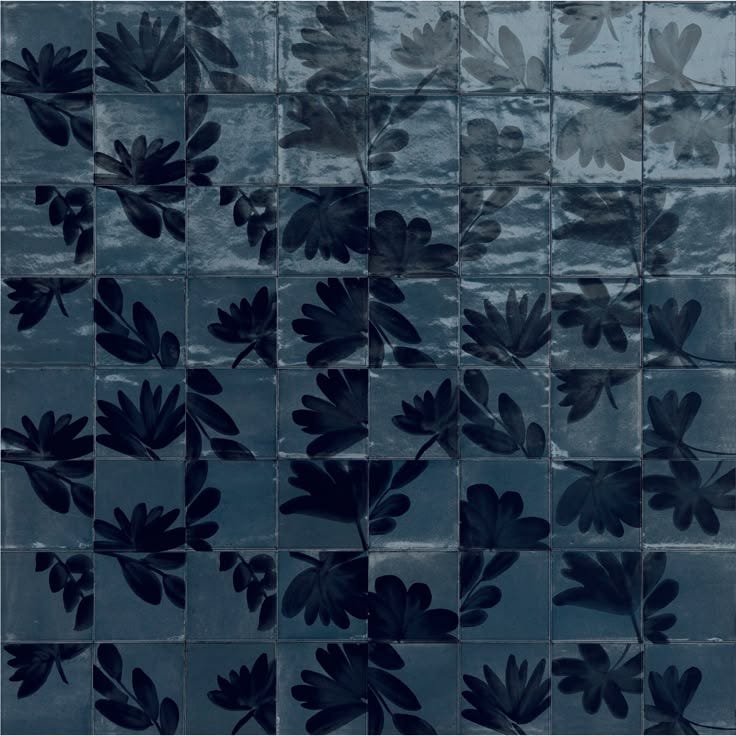
1. Ceramic
Ceramic is clay-based tile and it is fired at a lower temperature than porcelain. That means it’s softer and a little more porous.
Works great for:
kitchen backsplashes
shower walls
powder baths
fun, decorative wall moments
Not so great for:
high traffic floors
mudrooms
outdoor spaces that freeze and thaw
Ceramic is stunning if you want handmade, softness, texture and charm. I think of it as the middle sister. She isn’t quite as durable as porcelain but she isn’t as delicate as zellige.
2. Porcelain
Porcelain tile is tough. It’s denser, fired hotter, and more water-resistant. An absolute weapon in the gym.
Stunning for:
bathroom floors
kitchen floors
shower floors
high traffic areas
She’s tough, she’s strong, and she is often the right choice for a project. Super durable.
The only thing is please don’t buy a porcelain that is trying to be something else. Porcelain imitating stone really grinds my gears and never quite looks right in my opinion. (I am open to being proved wrong on this but I have yet to see something that really knocked my socks off)
3. Natural Stone (Marble, Limestone, Travertine)
Beauty, unique, straight from the earth. Love.
I love it for:
bathroom floors
kitchens
entryways
spaces where you want warmth and variation
We did fluted marble tiles behind the tub on a recent project and absolutely love it.
Natural stone has depth that you can’t fake. It ages, it softens, it’s special.
It does also stain, etch and change…
This is where you decide if you’re down with the imperfect patina or if it will piss you off. If you lean towards pissed, skip the natural stone.
4. Zellige
Zellige is handmade Moroccan tile. Slightly uneven. Glazed. Full of variation.
Great for:
kitchen backsplashes
shower walls
feature walls
It catches and reflect light in a way that makes the space feel like it has movement.
However, it is not:
Perfectly flat
Consistent
Uniform
There will be variation. Colors, sizes (slightly, don’t stress), and potentially even a few chipped corners. In my opinion, I love the character. You might not. Thats where I will nudge you back to a porcelain.
dont use zellige on shower floors. Not worth it
5. Cement Tile
Cement tiles are exactly what they sound like. Cement that is dyed and pressed into molds.
Lovely for:
Powder baths
Laundry rooms
Statement floors
However they can be a lot. They are heavy, they need sealing, and they can stain. Also they are matte. Some people don’t like that.
I love them in places with history, Mediterranean, Spanish, old-world inspired.
Be careful though because a lot of cement patterns are really trendy.
6. Glass Tile
Glass tile reflects light. It is slippery and often used in mosaics. Especially in 90’s-00’s pools.
It CAN work in:
pools (but like only sometimes)
small accent applications
ertain modern designs
But I also don’t really like them. again, my opinion.
7. Terracotta / Saltillo
Terracotta and Saltillo are clay-based tiles and are beautifully warm. They are earthy, porous, and full of variation.
Breathtaking for:
kitchens
sunrooms
southwestern or mediterranean homes
spaces that need warmth
They do require sealing, but they also bring in depth and soul. A fair tradeoff I think.
Please don’t forget
Grout color changes everything.
Finish (honed vs polished vs matte) changes everything.
Scale changes everything.
Layout changes everything.
This is the first of what will be many more Tile Talk’s so stay tuned <3
